Introduction: The Dawn of the Loyal Wingman
In the rapidly evolving landscape of modern warfare, the concept of a lone pilot navigating a multi-million dollar aircraft into a high-threat zone is becoming a thing of the past. As we move into 2025, the British Army is spearheading a revolutionary shift with Project NYX. This ambitious initiative aims to pair the legendary Apache AH-64E attack helicopter with 'loyal wingmen'—uncrewed aerial vehicles (UAVs) designed to act as force multipliers, scouts, and precision strike platforms.
Recently, Project NYX reached a critical milestone as the UK Ministry of Defence (MoD) awarded funding to four key firms to develop the technology needed to make these autonomous partners a reality. While the focus is on the battlefield, the silicon heart of these machines relies on the same high-performance PC hardware technologies we track daily at TechAutoGame Hub. From AI-driven edge computing to the massive simulation clusters used to train these drones, the line between military tech and enthusiast PC hardware is blurring faster than ever.
What is Project NYX? The British Army’s Bold Step
Project NYX is the UK’s answer to the global race for Manned-Unmanned Teaming (MUM-T). The goal is simple yet incredibly complex to execute: create a suite of support drones that can fly alongside the Apache, taking on high-risk duties such as electronic warfare, deep reconnaissance, and even kinetic strikes.
By offloading these tasks to drones, the Apache crew can stay further back from the 'red zone,' managing the battlefield from a position of relative safety. The four firms selected for this phase of funding—including specialists in autonomous flight and data integration—are tasked with solving the 'brain' problem. How do you make a drone smart enough to follow commands in a chaotic environment without constant human micro-management? The answer lies in massive computational power.
The Silicon Behind the Steel: Hardware Requirements for Modern UAVs
To understand Project NYX, we have to look at the hardware required to simulate and run these systems. These drones aren't just remote-controlled planes; they are flying supercomputers.
1. AI Training and Neural Networks
Before a loyal wingman ever takes flight, it spends thousands of hours in a virtual environment. This requires massive GPU clusters. In 2025, defense contractors are increasingly moving away from proprietary chips toward standardized, high-performance hardware like NVIDIA’s Blackwell architecture. For the developers at the four funded firms, training the autonomous algorithms requires the kind of VRAM and tensor core counts found in the highest-end professional and enthusiast cards.2. Edge Computing on the Wing
Once in the air, the drone cannot rely on a cloud connection to make split-second decisions. It needs 'edge computing.' This involves miniaturized versions of the CPUs and GPUs we use in our gaming rigs, optimized for power efficiency and thermal resilience. We are seeing the military adoption of SoCs (System on a Chip) that mirror the architecture of modern PC components, allowing for real-time object recognition and pathfinding.Simulating the Battlefield: Building the Ultimate Dev Rig
For the engineers working on Project NYX, the 'PC' is the primary tool of war. Simulating a complex battlefield with hundreds of entities, physics-based weather, and realistic RF (Radio Frequency) environments requires hardware that pushes the limits of what is commercially available.
If you were looking to build a workstation capable of running the same types of flight simulations used in Project NYX development, you wouldn't be looking at budget parts. You would be looking at the absolute ceiling of PC hardware. High-core-count CPUs are essential for handling the physics engine, while the GPU manages the visual fidelity and AI logic.
Recommended Hardware for Simulation and AI Development (2025)
To give you an idea of the power required to develop and simulate 'loyal wingman' tech, here are the current industry leaders for high-end workstations and simulation rigs.
1. NVIDIA GeForce RTX 5090 (Approx. $1,999 - $2,299)
The RTX 5090 is the undisputed king of AI development in the consumer/prosumer space. With its massive pool of GDDR7 VRAM and unprecedented CUDA core count, it is the primary choice for developers who need to run localized LLMs and computer vision models for drone navigation simulations. Its ability to handle real-time ray tracing also allows for hyper-realistic sensor simulation (Infrared, LIDAR) within the virtual testing environment.2. AMD Ryzen 9 9950X (Approx. $649)
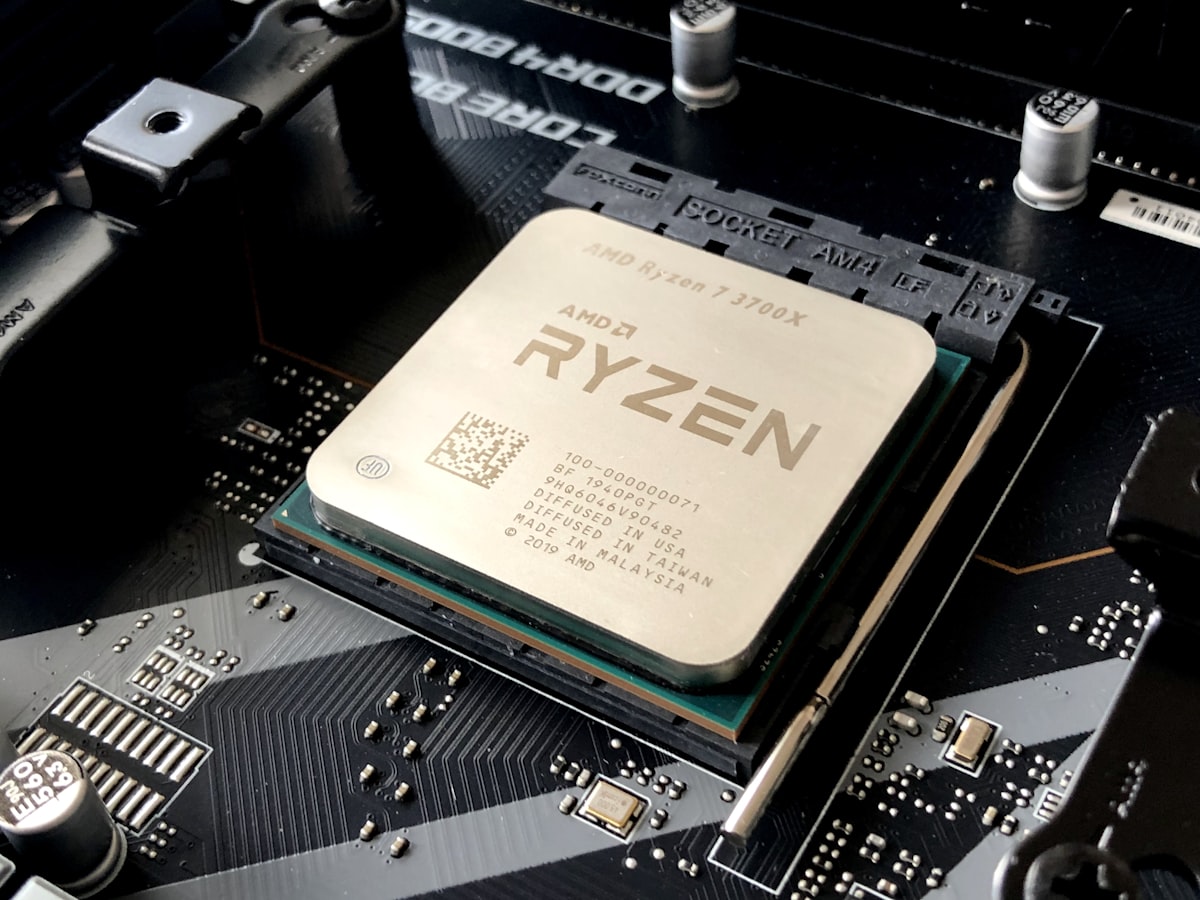
When it comes to multitasking and heavy computational workloads, the Ryzen 9 9950X offers the multi-threaded performance necessary for complex battlefield simulations. With 16 cores and 32 threads, it can handle the simultaneous execution of flight dynamics, communication protocols, and environmental AI without breaking a sweat. It is a staple in high-end engineering workstations.3. ASUS ProArt X870E-Creator WiFi (Approx. $499)
A military-grade project needs a motherboard that offers stability and high-speed data transfer. The ProArt X870E-Creator is designed for professionals, featuring USB4 support and 10G Ethernet, which is crucial for moving massive datasets between simulation servers and local dev machines. Its robust power delivery ensures that the 9950X can run at full tilt during long rendering or training sessions.4. Samsung 990 Pro 4TB NVMe SSD (Approx. $320)
Speed is everything when loading massive simulation maps. The 990 Pro provides the sequential read/write speeds needed to ensure that data bottlenecks don't slow down the development process. In a field where every second of simulation time costs money, high-speed storage is non-negotiable.The Role of Four Firms: A Collaborative Effort
The funding for Project NYX has been distributed to four firms, each bringing a unique piece of the puzzle. While the MoD keeps the specific internal details classified, the general breakdown involves:
- Firm A (Autonomy): Developing the 'pilot' AI that allows the drone to fly without human input.
- Firm B (Sensors): Integrating advanced radar and optical sensors that feed data back to the Apache.
- Firm C (Integration): Ensuring the Apache's cockpit interfaces can actually control these drones without overwhelming the pilot.
- Firm D (Airframe): Designing the physical drone to be stealthy, fast, and capable of carrying precision payloads.
Our Verdict: The PC is the New Frontline
Project NYX represents a massive leap forward for the British Army, but it also highlights a fascinating trend: the democratization of high-end computing. The same silicon that powers your favorite AAA games at 4K 144Hz is the same silicon being used to design the next generation of autonomous weapons systems.
As Project NYX hits this new milestone, it’s clear that the 'Loyal Wingman' concept will change the face of aviation. For the tech-savvy observer, it's a reminder that the hardware we use today—the RTX 5090s and Ryzen 9s—are the building blocks of tomorrow's global security infrastructure.
Bottom Line
Pros of Project NYX:
- Significant increase in pilot safety and mission effectiveness.
- Rapid technological advancement through competitive multi-firm funding.
- Utilization of commercial-off-the-shelf (COTS) hardware for faster development cycles.
- High complexity in AI-human interface.
- Significant initial investment costs.
- Ethical concerns regarding autonomous strike capabilities.