Introduction: The $250,000 Barrier Has Fallen
For decades, long-range radar technology has been the exclusive playground of military contractors and multi-billion dollar aerospace firms. If you wanted a system capable of tracking objects 20 kilometers away, you were looking at a price tag upwards of $250,000 and a mountain of regulatory red tape. But in 2025, the landscape of signal processing and radio frequency (RF) hardware has shifted dramatically.
Oussama El-Haddad, a brilliant Moroccan engineer, has sent shockwaves through the hardware community by open-sourcing the Aeris-10. This DIY radar system doesn't just work—it rivals the performance of commercial units while costing roughly 95% less to build. By leveraging the power of modern PC hardware and Software Defined Radio (SDR), El-Haddad has effectively democratized high-end surveillance technology.
What is the Aeris-10?
The Aeris-10 is an X-band pulse-Doppler radar system designed for long-range detection and tracking. While most consumer-grade DIY radar projects are limited to detecting a person walking across a room, the Aeris-10 is a different beast entirely. It boasts a documented range of 20 kilometers (approximately 12.4 miles), making it capable of tracking maritime vessels, aircraft, and even weather patterns with surprising precision.
What makes the Aeris-10 truly revolutionary is its "Software-First" approach. Traditional radar systems rely on expensive, proprietary ASIC (Application-Specific Integrated Circuit) chips to process signals. The Aeris-10 offloads this heavy lifting to a standard PC, utilizing the raw processing power of modern CPUs and GPUs to handle Digital Signal Processing (DSP) in real-time.
The Hardware Stack: Powering the Radar
To build an Aeris-10, you don't need a government contract, but you do need some serious PC hardware. Because the system captures massive amounts of raw RF data (IQ samples), the bottleneck is often the interface between the radio hardware and the computer.
1. The SDR Frontend
The heart of the system is a Software Defined Radio. El-Haddad’s design is flexible, but it thrives on high-bandwidth SDRs. For those looking to replicate this, the LimeSDR Mini 2.0 is a popular choice for its balance of frequency range and price.2. The Processing Powerhouse
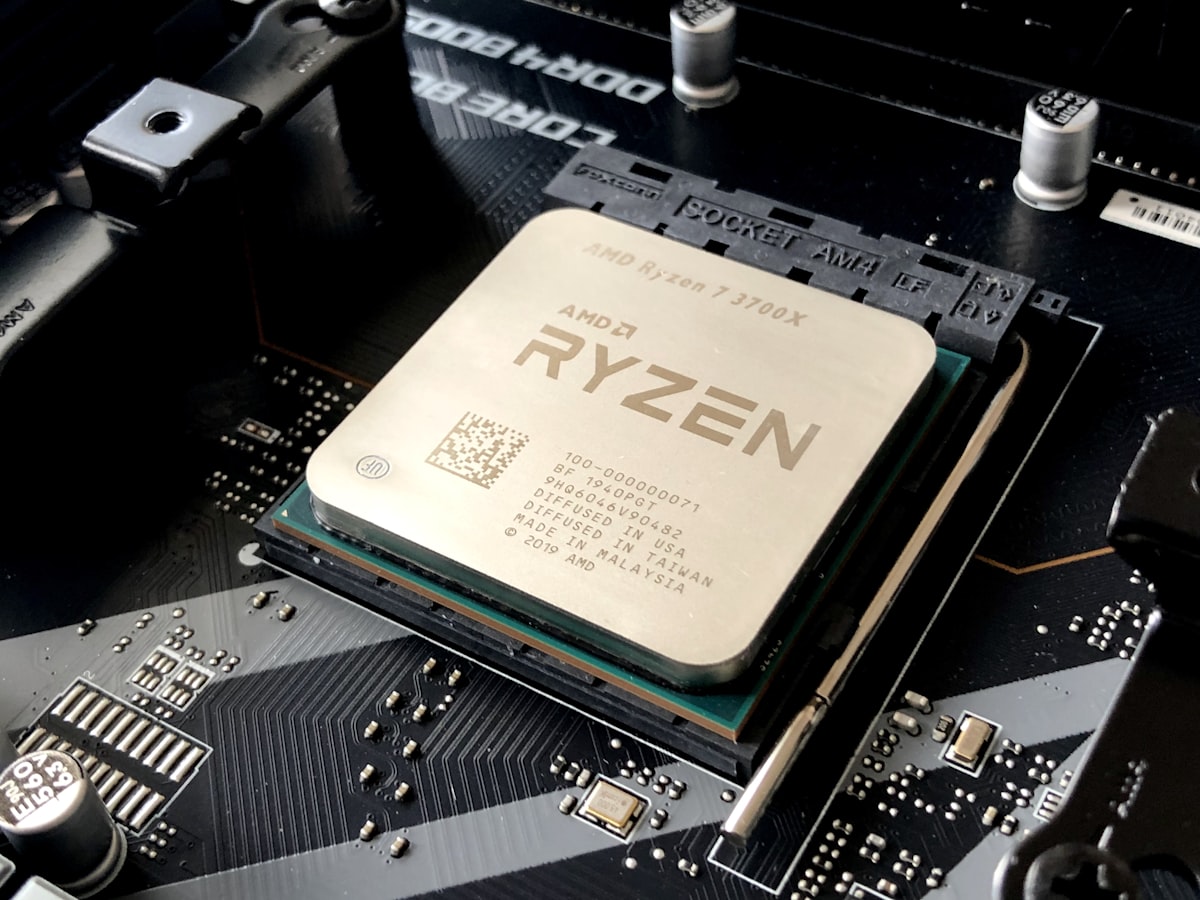
Processing radar returns in real-time requires significant multi-threaded performance. This isn't a job for a budget laptop. To handle the Fast Fourier Transforms (FFTs) and clutter-rejection algorithms, a high-end desktop CPU is mandatory. We recommend the AMD Ryzen 9 7950X; its 16 cores and 32 threads provide the necessary headroom to ensure no data packets are dropped during high-speed tracking.3. GPU Acceleration
While the CPU handles the logic, the GPU can be utilized for parallel processing of signal filters. An NVIDIA RTX 4070 Super is an ideal candidate here, as its CUDA cores can drastically reduce the latency of the radar’s visual output, providing a smooth, high-refresh-rate tactical display.Why GitHub is the New Aerospace Lab
By sharing the Aeris-10 on GitHub, El-Haddad has invited the global developer community to refine the codebase. This open-source nature means that bugs are fixed faster, and new features—like automated target classification using machine learning—are being added by contributors worldwide.
This move also highlights a growing trend in 2025: the "Prosumerization" of specialized hardware. Much like how 3D printing disrupted manufacturing, open-source RF projects are disrupting telecommunications and defense. The documentation provided includes PCB layouts, 3D-printable antenna mounts, and a comprehensive guide on how to calibrate the system without needing a PhD in electromagnetics.
Recommended Hardware for Your DIY Radar Build
If you are planning to dive into the world of Aeris-10 or similar SDR-based projects, here are the core components you should consider to ensure your PC can handle the 20km data stream:
* SDR Frontend: LimeSDR Mini 2.0 (~$399) - The essential bridge between the airwaves and your PC. It offers the frequency flexibility needed for X-band operations. * Processor: AMD Ryzen 9 7950X (~$549) - High clock speeds and massive core counts are vital for real-time signal processing without lag. * Graphics Card: NVIDIA GeForce RTX 4070 Super (~$599) - Perfect for offloading complex DSP tasks and rendering the radar GUI. * Storage: Samsung 990 Pro 2TB NVMe SSD (~$175) - When logging raw radar data for post-analysis, you need the fastest write speeds available to avoid buffer overruns. * Memory: Corsair Vengeance DDR5 64GB (2x32GB) 6000MHz (~$210) - Radar processing is memory-intensive; 64GB ensures your system doesn't choke when tracking multiple targets.
Challenges and Legal Considerations
Before you rush to GitHub to download the Aeris-10 repo, it is crucial to understand the legalities. Transmitting on certain frequencies requires a license in almost every country. While the Aeris-10 is a masterpiece of engineering, operating it without an amateur radio license or experimental permit could land you in hot water with the FCC or your local equivalent.
Furthermore, the physical build requires precision. Aligning the parabolic dish and ensuring the Low Noise Amplifier (LNA) is properly shielded are tasks that require patience and a bit of technical know-how. This is not a "plug-and-play" consumer product; it is a sophisticated piece of scientific equipment.
Our Verdict: The Bottom Line
The Aeris-10 is a landmark achievement in the DIY hardware space. Oussama El-Haddad has proven that with enough ingenuity and the right PC hardware, a single engineer can replicate technology that previously cost as much as a suburban home.
Pros: * Incredible Value: 95% cheaper than commercial equivalents. * Open Source: Transparent code that is constantly improving. * High Performance: 20km range is genuinely industrial-grade.
Cons: * High Barrier to Entry: Requires advanced knowledge of RF and Linux. * Legal Hurdles: Strict licensing requirements for transmission.
If you are a hardware enthusiast with a passion for SDR and a beefy PC rig, the Aeris-10 is the ultimate weekend project. It represents the pinnacle of what is possible when open-source software meets high-end consumer PC components in 2025.
Conclusion
As we move further into the decade, the line between "hobbyist" and "professional" hardware continues to blur. The Aeris-10 isn't just a radar; it's a statement. It tells the world that the secrets of the electromagnetic spectrum no longer belong solely to those with the deepest pockets. Whether you're interested in maritime safety, weather tracking, or just the sheer thrill of building something world-class, the Aeris-10 is a project that demands your attention.